


You've spent a week studying what happens to the human body at altitude. Now come see where it happens.
This expedition takes a small group of symposium participants from the high volcanic deserts of southwestern Bolivia to the vast white horizon of the Salar de Uyuni — the largest salt flat on Earth. Along the way, you'll travel through the landscapes that define chronic hypoxia as a lived condition: flamingo lagoons at 4,500 meters, geothermal fields where the earth vents steam into thin air, and communities that have thrived in these conditions for generations.
It's not a photography workshop. It's not a tour bus. It's a small-group expedition in private 4x4 vehicles with experienced local drivers, moving at a pace that lets you stop, look, and absorb what you're seeing. Your journey will be documented by Pablo Bravo, one of Bolivia's most accomplished photographers, who knows this landscape intimately.
A portion of each participant's expedition fee is donated to the HAPPI-IPPA clinic in La Paz, supporting the research and educational programs that make the symposium possible.
The Route
The expedition follows the natural progression of the southern altiplano's landscapes, moving gradually through environments that reveal the region's geology, wildlife, and extraordinary atmospheric conditions.
Volcanic Highlands & Desert Plateaus
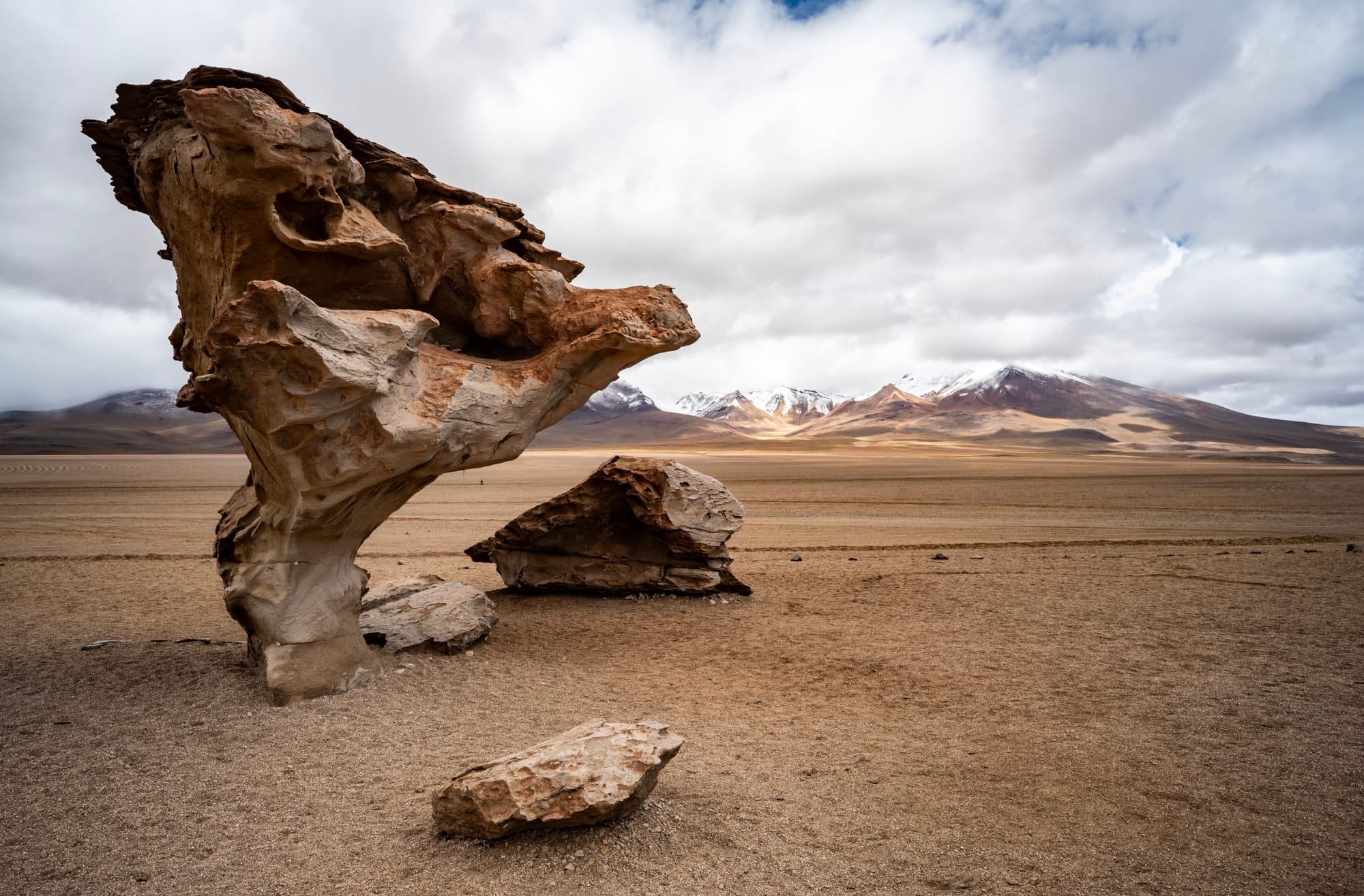
The journey begins south of Uyuni among lava fields, wind-carved rock formations, and immense empty plains. The Árbol de Piedra — a wind-sculpted stone tower standing alone in the desert — is one of the iconic formations of the region. Light and shadow shift constantly across these high deserts, and the scale is difficult to comprehend until you're standing in it.
The Lagoons
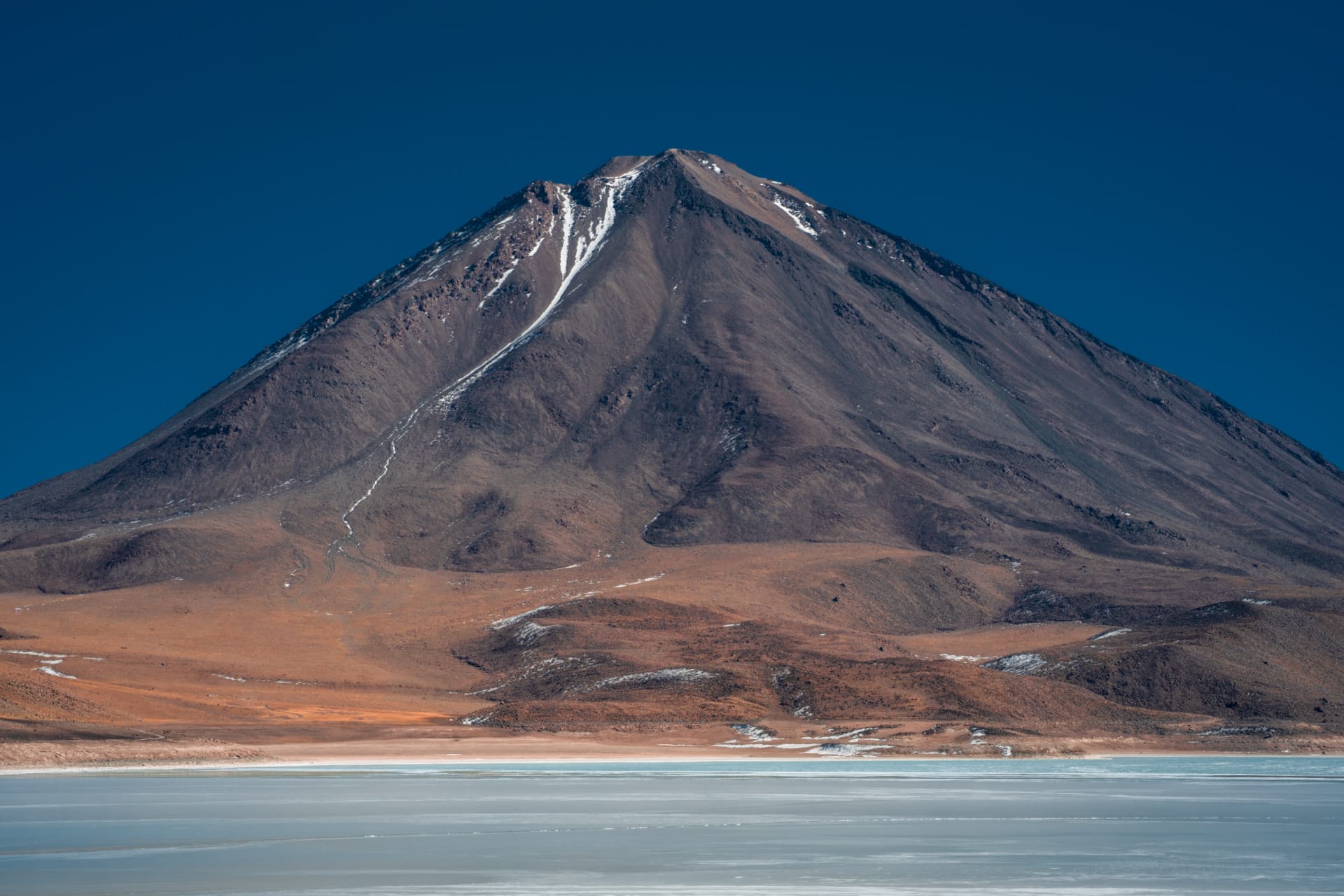
Continuing south toward the Chilean frontier, the desert opens onto a chain of mineral lagoons — Laguna Colorada, Laguna Verde, Laguna Hedionda — whose colors shift from turquoise to deep crimson depending on algae, minerals, and light. Andean flamingos feed in the shallows at elevations where most visitors are catching their breath. For anyone who has spent the week discussing hemoglobin adaptation, watching flamingos thrive at 4,300 meters is a striking footnote.
The Geothermal Frontier
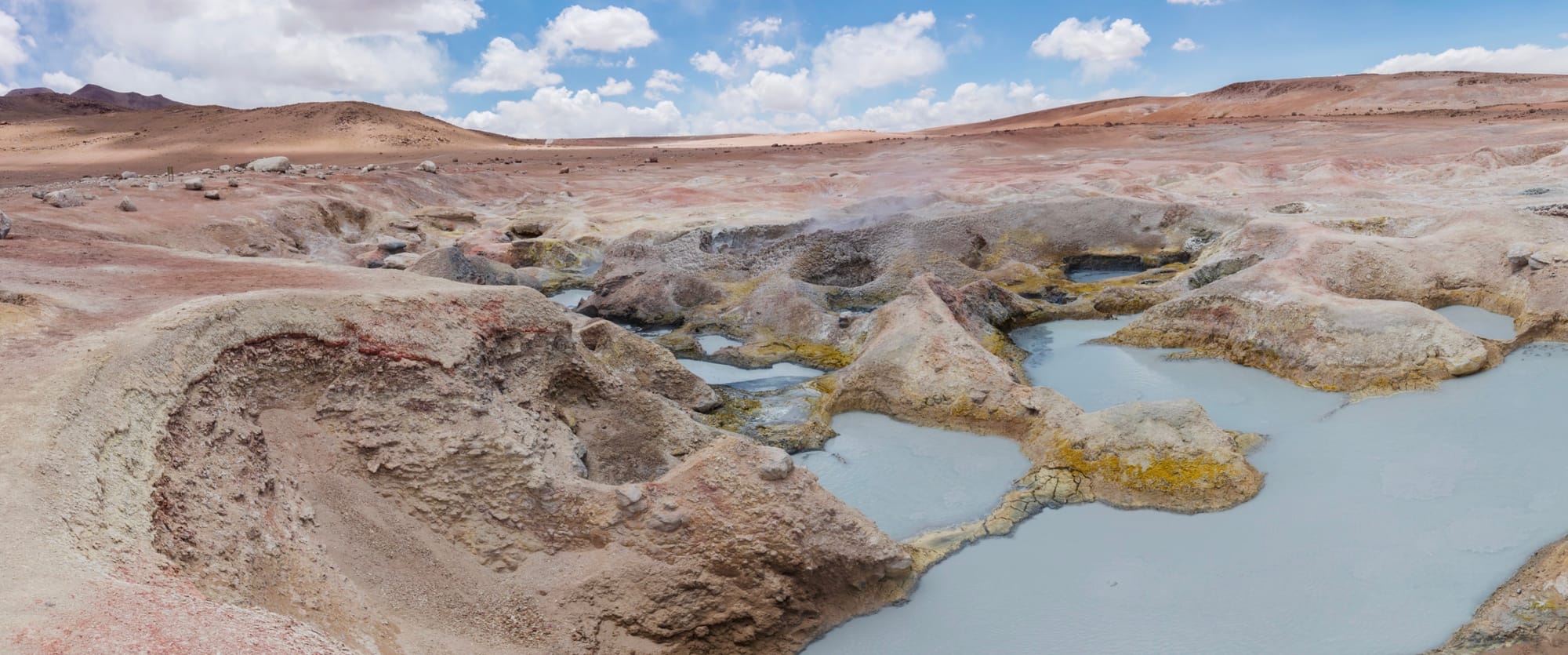
At elevations approaching 5,000 meters, the Sol de Mañana geothermal field offers a visceral reminder that the Andes are among the most geologically active regions on the continent. Steam rises from boiling mud pots and sulfur vents, the ground hisses, and the contrast between the boiling earth and the freezing air creates a tension you can feel.
The Salar de Uyuni
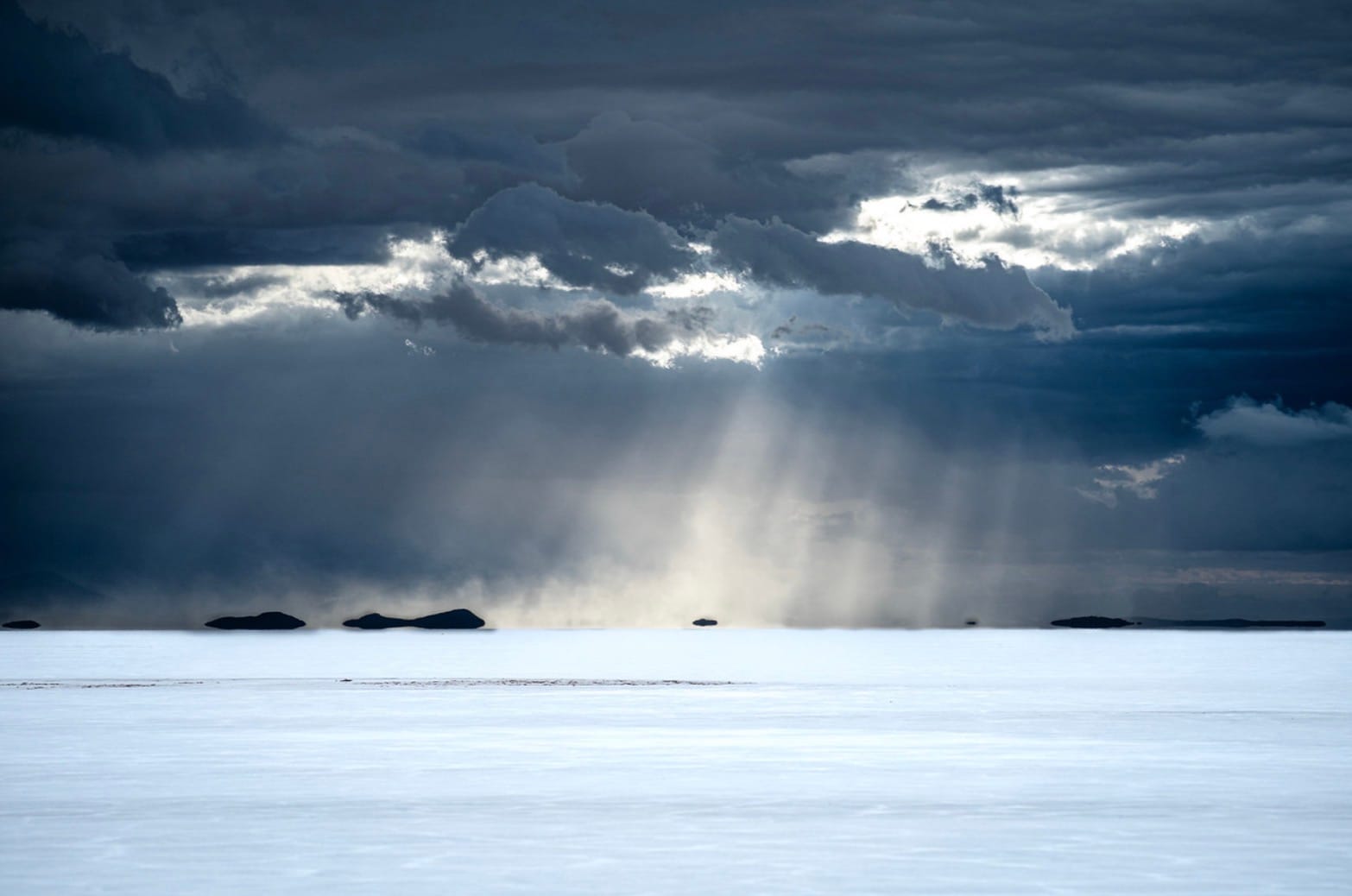
The expedition culminates on more than 10,000 square kilometers of salt — a landscape so vast and flat that the horizon dissolves. At sunrise the geometric salt patterns stretch toward distant volcanoes beneath enormous skies. Depending on seasonal conditions, portions of the salar may hold a thin layer of water, creating the famous mirror effect where sky and ground become indistinguishable.
After the volcanic deserts and colored lagoons, arriving on the salar feels like stepping onto another planet.
Logistics and Accommodations
Getting there: Symposium participants traveling to Oruro for the Carnaval Entrada on Saturday, February 6, continue to Uyuni by road on Sunday (approximately 4–5 hours). The expedition departs Monday morning, February 8. Alternatively, direct flights from La Paz to Uyuni are available (under 1 hour, approximately $100 USD one way).
Return: The expedition concludes on the morning of February 11 with a sunrise session on the salar, followed by a morning flight from Uyuni back to La Paz for international connections.
Transport: Private 4x4 vehicles with experienced local drivers. Maximum 3 participants per vehicle to ensure comfort and flexibility for stops.
Accommodations: The route includes several of the region's most distinctive lodges:
- Hotel Rosario Uyuni (or similar) — comfortable base at the edge of the salt flats
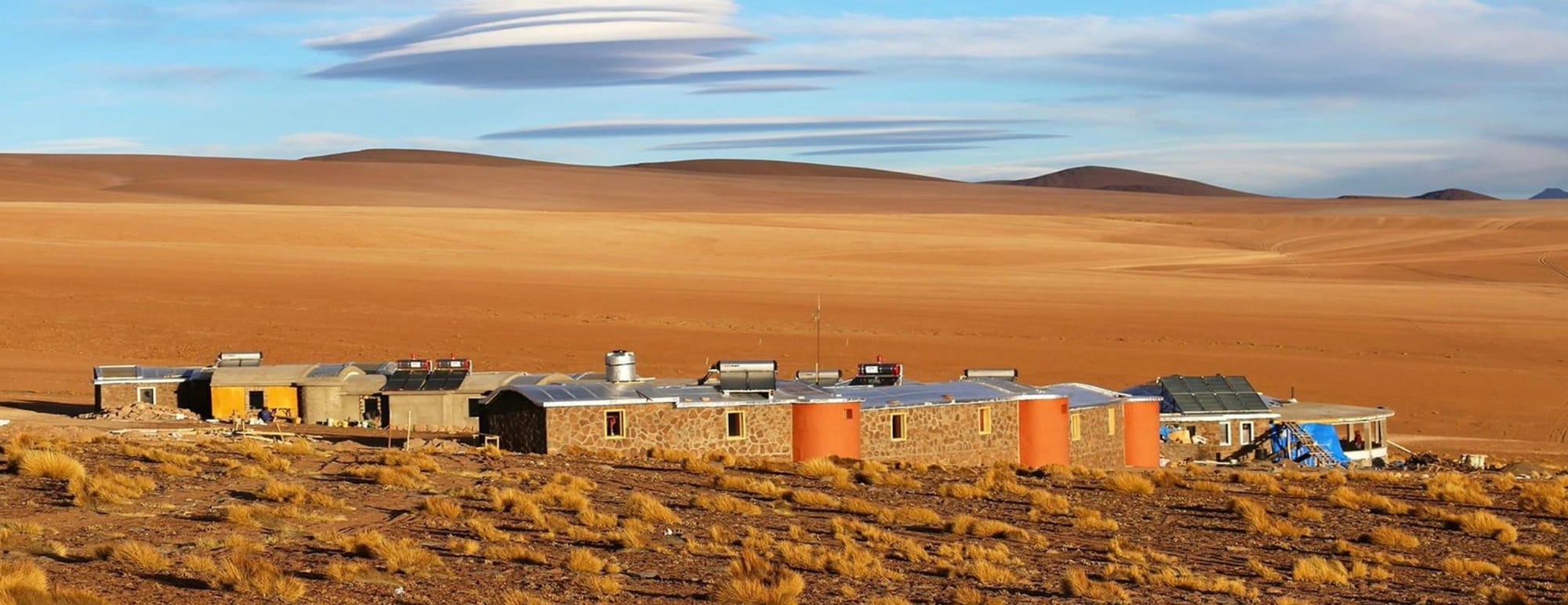
- Tayka del Desierto — stone lodge built to blend with the desert landscape, one of the highest-altitude hotels in the world
- Polques Hot Springs Lodge — simple lodging beside steaming geothermal waters
Meals: All meals included during the expedition. Hearty Bolivian cuisine — soups, grains, local proteins, and coca tea at altitude.
Photography: Your expedition is documented by Pablo Bravo, a nationally recognized Bolivian photographer with extensive experience on the altiplano. Participants receive a curated selection of images from the journey.
Conditions: The high desert is beautiful and demanding. Temperatures drop below freezing at night. UV exposure is intense. Wind is constant. Altitude ranges from 3,600 to nearly 5,000 meters. You've studied the physiology — now you'll experience it.
Investment
Expedition fee includes
- All accommodations during the expedition (3 nights)
- Transport to Uyuni (bus from Oruro or flight from La Paz)
- Private 4x4 transport with experienced local driver
- All meals during the expedition
- Return flight from Uyuni to La Paz
- Professional photography documentation by Pablo Bravo
- Curated selection of expedition images for each participant
- All park and site entry fees
Not included
- Lodging and meals before and after the expedition
- Travel insurance
- Gratuities for drivers and staff
- Alcoholic beverages
About the Symposium

The 10th Chronic Hypoxia Symposium, February 1-6, 2027, is hosted by the HAPPI-IPPA clinic in La Paz, one of the world's leading centers for research on human adaptation to high-altitude hypoxic environments. The symposium brings together physicians, scientists, engineers, and researchers from around the world to advance understanding of how humans live, work, and thrive at altitude.


