


The Andes don't transition gently into the Amazon here. They drop — from high puna at nearly 4,900 meters down through cloud forest, montane ridge, and conservation lands that few visitors ever reach. Our 10-day Los Yungas photography trek traces a loop from the highlands above La Paz into some of the richest biodiversity on Earth, and back along a forgotten ridge trail to where we started.
This is a fully immersive, small-group expedition built for wildlife, flora, and landscape photography. You'll hike preserved Inca trails, camp under unpolluted night skies, and stay in rustic community hospedajes and forest clearings well off the standard route. The subjects are constant — orchids and bromeliads in morning mist, tanagers and toucans working the canopy, and the Andean cock-of-the-rock in undisturbed habitat.
A highlight of the journey is access to the Pongo Bella Vista Preserve, a privately managed conservation area with pristine trails, intact montane forest, and exceptional photographic conditions. From there, the route climbs into the high ridges of Yervani — ancient footpaths, ridge-top chacos, and long views — before following the F25 trail system back to the forested rim above Unduavi.
Led by a professional photographer and local guides who know these forests intimately, you'll have access to protected habitats, cultural history, and field conditions that don't exist on conventional treks.
By the time we return to La Paz, you'll carry not just an extraordinary set of images — but the memory of having walked one of South America's great ecological transitions, and looped back through its living ridgelines.
Expedition Progression
Andean Puna & the Inca Descent
The route begins at La Cumbre, a wind-scoured pass at 4,900 meters in the Cordillera Real. High puna grasslands, glaciated peaks, and thin air. The ancient Inca trail emerges here — worn stone steps, arcing switchbacks, and expansive views toward the cloud forest far below.
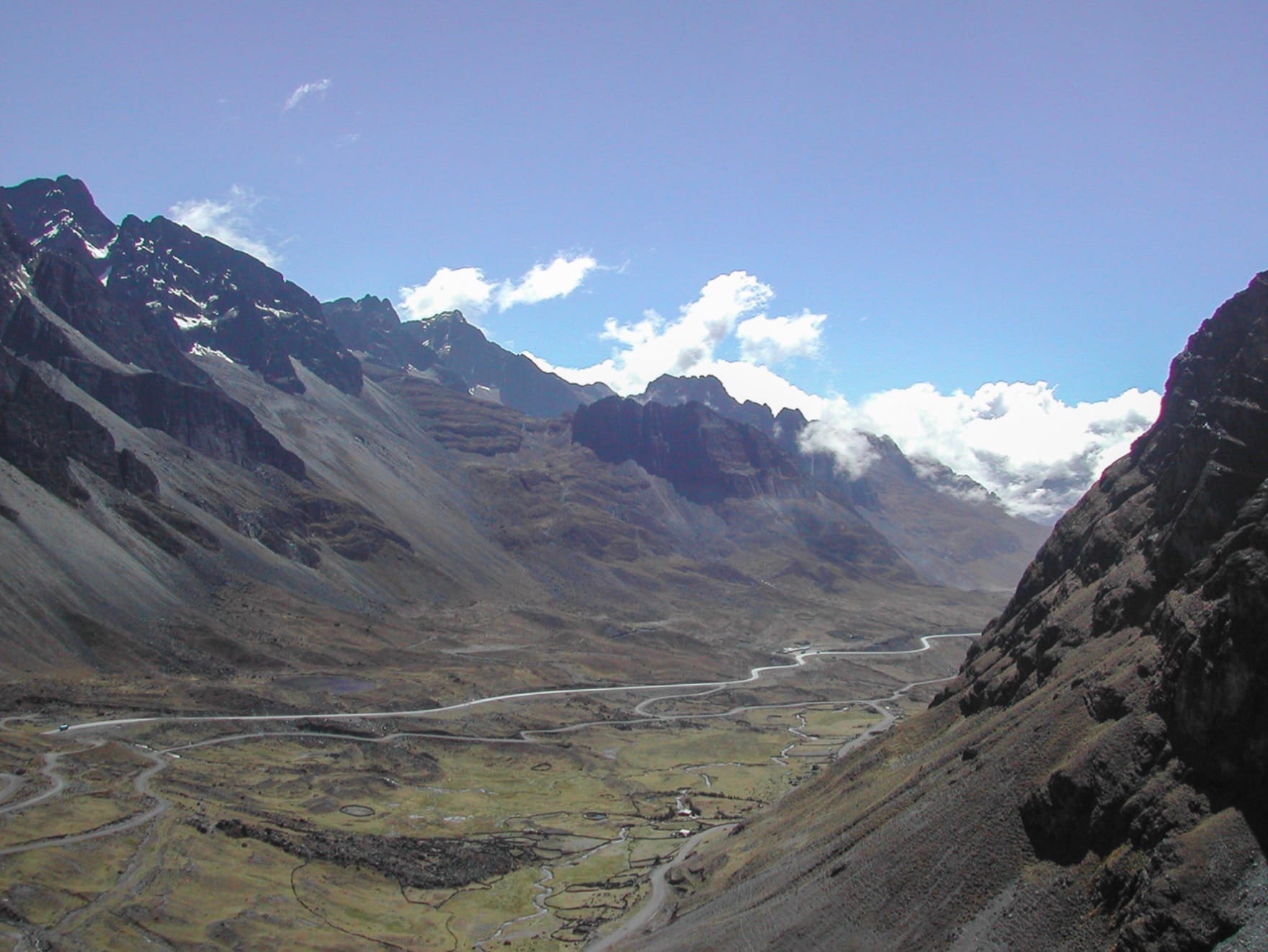
Possible subjects include: Andean condor • Andean goose • Vizcacha • Mountain caracara • Llamas grazing near stone cairns
Trekking: Begin at 4,900m. Moderate descent on Inca stone paths to camp near Challapampa. Wind, cold, wide vistas.
Forest Corridors & Wildlife Observation
Wilder terrain — less trafficked, more tangled, and better suited for slow observation. Dense forest corridors with increasing diversity. The pace slows; the subjects multiply.
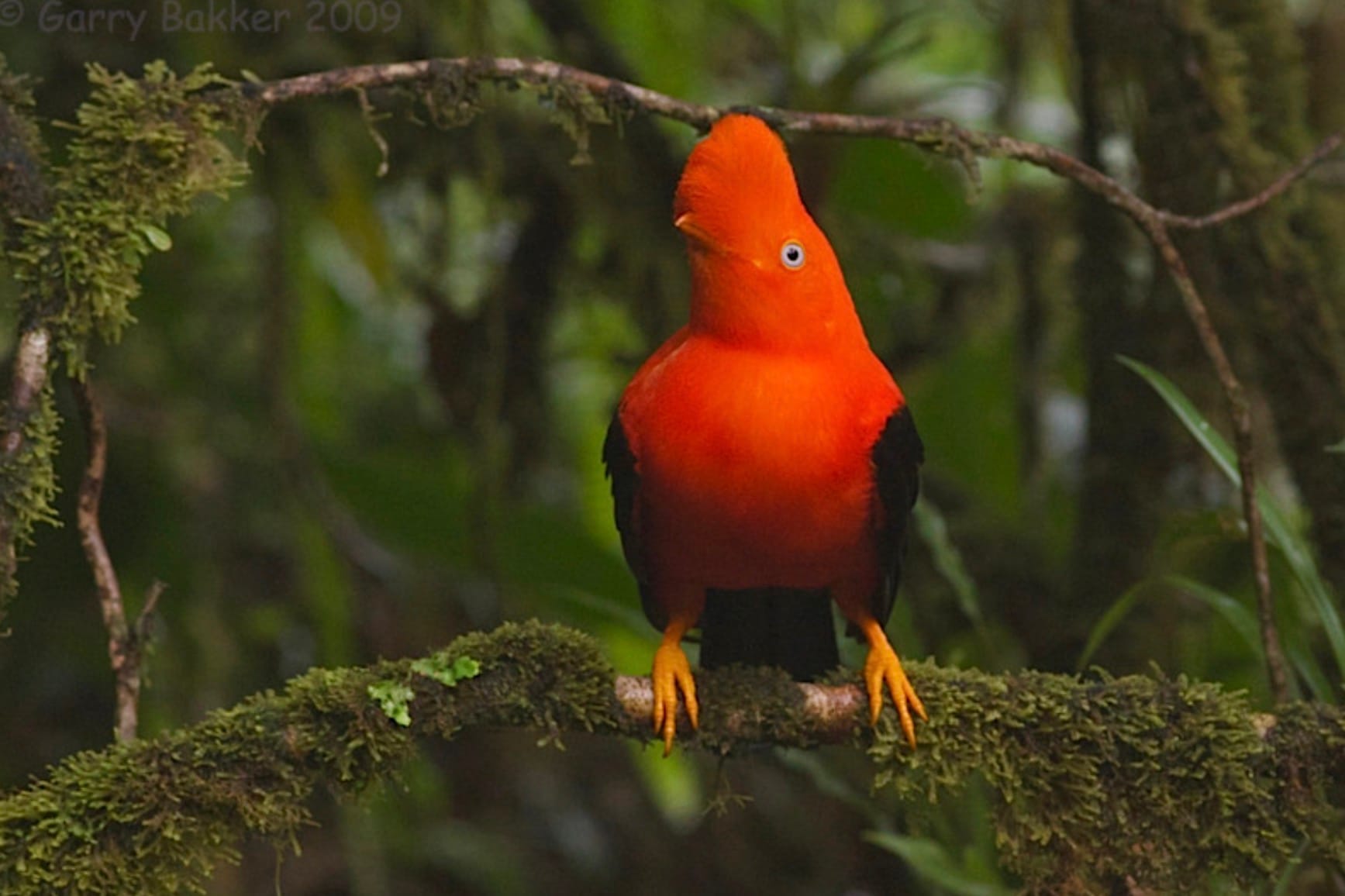
Andean cock-of-the-rock (listen for croaks in ravines) • Stick insects • Mixed bird flocks • Tree frogs near water sources
Trekking: Short segment by 4x4, then hiking to ~3,200m. Altitude returns. Wind and fog.
Ridge Traverse to Pongo Bella Vista
The route follows grassy knolls, chacos carved into hillsides, and remnant forest patches. Small farm outposts — some active, some abandoned — where crops cling to steep slopes. By late afternoon, a ridge camp overlooking the Pongo watershed. Mist settling into valleys, dramatic side-lit forest textures as the sun drops.
Squirrel cuckoos • Canasteros • Tamarin troops in canopy
Trekking: Mixed open ground and patch forest. Moderate climbs. Limited water — carry enough. Evening light exceptional.
Pongo Bella Vista Preserve
Two days inside a privately managed conservation area. Damp, root-covered, deeply green. Old trail segments give way to foot-worn paths used only by locals and wildlife. Sections of Incan or pre-Columbian trail, moss-covered and half-forgotten. The forest breathes here — not as jungle, but as high montane sanctuary. Wide lenses for canopy and ridge shots; macros for mosses, insects, and epiphytes.
Andean cock-of-the-rock • Emerald toucanets • Highland armadillo • Rare orchids • Saddle-backed tamarins • Tree frogs
Trekking: Exploration days with minimal load. Wet boots, slippery roots. Navigation requires local guidance. Best for macro, birding, forest texture. Rain possible at any time.
Yervani High Ridges
Southeast along a lesser-used footpath toward a high valley of ridges and chacos rarely visited by outsiders. Transitional terrain — between forest and open hillside, between memory and function. Terraces, cobbled trail segments, scattered homes accessible only by foot. Long diagonals, forest-framed compositions, coca harvests, and excellent dusk and dawn light.
Gray-fronted doves • Andean guans
Trekking: Trail less distinct. Machete use expected. Ridge clearing camp. Village contact possible.
F25 Ridge & Return
The old F25 ridge road — a forgotten military and coca route — now serves hikers, motorbikes, and the occasional mule train. Views open toward the Río Unduavi basin with clouds trailing over ridgelines. Hand-built corrals, abandoned trail markers. A day for wide-angle trekking photography — lines of trail, long mountain folds, cloud-play. The final descent takes you through a last vertical curtain of cloud forest before the trek ends.
Swifts • Hawks • Torrent ducks • Tanagers near water • Possible Andean condor at dusk
Trekking: Mixed open and forested walking. Exposure to wind and sun. Final descent to Unduavi for vehicle pickup and return to La Paz (2–3 hours).
Trip Style & Field Conditions
The Experience
This is an active, off-the-beaten-path photography trek — a dramatic loop from high Andes to humid cloud forest and back again via remote ridgelines and forgotten trails. You’ll hike sections of ancient Inca routes and rural footpaths, photographing shifting ecosystems, local agriculture, and ridge communities rarely seen by outsiders.
Daily hikes range from 4–8 hours across steep, uneven, and sometimes overgrown trails. The route begins with a major descent (from 4,900m to ~2,600m), then transitions into sustained ridge walking and occasional climbs. Porters or pack animals carry group gear; you carry your daypack and camera.
Field Infrastructure
Accommodation includes tent camping in remote forest and ridge locations, with a few nights near villages or on cultivated terraces. Comfort is basic, but the reward is direct access to sunrise vistas, montane wildlife, and cultural encounters well beyond the reach of road-bound travel.
Meals are hearty and locally sourced when possible — trail lunches, camp cooking, and the occasional shared meal with farmers or porters. Produce, fresh coca tea, and local coffee are common staples.
Several nights are spent above 3,000m. Trails may be unmarked and changeable.
Flexibility, trail awareness, and a good sense of humor are essential.
Who This Expedition Is For
This expedition is designed for photographers who:
- Are in solid hiking shape and comfortable with multiple consecutive days on foot
- Work with both telephoto and macro lenses
- Are drawn to cloud forest birds, orchids, insects, and weather-washed landscapes
- Appreciate cultural encounters — coca harvests, village life, ancient trails
- Understand that weight and mobility balance matters — you carry your own kit
Investment
What's included
- Private transport between La Paz, trailheads, and trail terminus
- Bilingual (English/Spanish) professional guide
- Camping equipment and rustic lodge-style accommodations
- All meals, trail snacks, and purified drinking water
- Park and preserve entry fees
- Insect repellent and basic field-first aid supplies
- Logistics coordination for permits, lodging, and field support
Not included
- International/domestic flights or travel to/from La Paz
- Pre- or post-trip lodging and meals in La Paz
- Travel, medical, or evacuation insurance
- Gratuities for staff and guides
- Personal porter or gear-carrying services (available at extra cost)
- Alcoholic beverages and personal items (laundry, camera gear, batteries)


